Lutein and Zeaxanthin: What They Are and What the Research Shows
Lutein and zeaxanthin are carotenoids found in the macula, the small central part of the retina used for reading, driving and recognizing faces. They are best known from the AREDS2 research on age-related macular degeneration. This overview explains what they do, who may be at risk of the conditions they were studied for, and where supplements fit. It is general information and not a substitute for an eye exam.
- Lutein and zeaxanthin are carotenoids that collect in the macula, the part of the retina used for sharp central vision.
- AREDS2 tested 10 mg of lutein and 2 mg of zeaxanthin daily in people at high risk of advanced AMD.
- Adding them did not further reduce progression to advanced AMD overall, and the cataract results were also not significant overall.
- They could replace beta-carotene in the AREDS formula, which matters for current and former smokers.
- Evidence for healthy eyes or screen-related discomfort is limited, and an eye doctor should guide any decision.
What lutein and zeaxanthin are
Lutein and zeaxanthin are yellow plant pigments in the carotenoid family. The body cannot make them, so they come from food or supplements. They are called macular carotenoids because they collect in the macula, which handles sharp central vision[1].
Researchers have studied them because the macula is under constant light exposure and oxidative stress. Higher levels of these pigments in the macula have been linked to better visual performance in some studies, though a link does not prove that taking more of them improves eyesight[1].
They are not vitamins, and there is no official daily requirement for them. They are also not a replacement for regular eye exams.
What they may do in the eye
The main ideas behind the research are that these pigments may filter some visible light and may help limit oxidative damage in retinal tissue. These are proposed roles, and the evidence in people is more mixed than the biology suggests.
One review looked at macular carotenoids and visual performance in people with high screen time. It suggests the pigments may relate to how comfortably and clearly some people see under demanding visual conditions[1]. The evidence is limited, and these findings should not be read as proof that supplements fix digital eye strain.
For a broader look at habits that protect vision, see the guide to eye health.
The conditions they were studied for
Age-related macular degeneration
Age-related macular degeneration (AMD) damages the macula and can blur or distort central vision while leaving side vision intact[2]. Lutein and zeaxanthin were tested in AREDS2 for people already at higher risk of advanced AMD. For background on the condition itself, see macular degeneration.
Cataracts
AREDS2 also looked at cataracts, the clouding of the eye's lens. Across all participants, lutein and zeaxanthin did not significantly reduce progression to cataract surgery. The researchers noted a possible benefit in people with the lowest dietary intake of these nutrients[3]. Read more about cataracts and their causes.
Dim-light vision
People sometimes ask whether these nutrients help with seeing in the dark. The sources reviewed here do not show that they do. Trouble with night vision has many possible causes and deserves an eye exam.
Who may be at risk and why it matters
Eye conditions are more likely with age. For AMD, the American Academy of Ophthalmology lists age, smoking and family history among the recognized risk factors[2]. An eye doctor can check for early signs, sometimes before any symptoms appear.
AREDS2 enrolled more than 4,000 people at high risk of advanced AMD, such as those with intermediate AMD or advanced AMD in one eye[4]. The results apply most directly to that group. They do not automatically apply to people with healthy eyes or to younger adults.
Anyone who notices wavy lines, a dark patch in central vision, sudden changes, or new blur should see an eye doctor promptly. Supplements are not a way to diagnose or manage these problems.
Key facts from AREDS2
The Age-Related Eye Disease Study 2 (AREDS2), sponsored by the National Eye Institute, tested changes to the original AREDS vitamin and mineral formula. The lutein and zeaxanthin tested were 10 mg of lutein and 2 mg of zeaxanthin per day[5].
In the main analysis, adding lutein and zeaxanthin (or omega-3 fatty acids) to the formula did not further reduce the risk of progression to advanced AMD overall[4]. The NEI notes that lutein and zeaxanthin could replace beta-carotene in the formula. Beta-carotene had been linked to a higher lung cancer risk in current and former smokers[5].
These results are specific to people at risk of advanced AMD. They do not show that the nutrients prevent AMD, and they do not restore vision lost to eye disease.
Nutrition and supplements: a short preview
Lutein and zeaxanthin occur naturally in food, and AREDS2 analyses looked at dietary intake as well as supplement use[3]. Getting them through a varied diet is a reasonable starting point for most adults.
Supplements are a separate question. Doses, forms and extra ingredients vary widely between eye-health products. A label that lists lutein and zeaxanthin may not match the amounts studied in AREDS2, and added herbs or extracts often have little or no good evidence behind them.
The supplements page covers food sources, how to read a label, the AREDS2 amounts, and safety questions in more detail. Talk with an eye doctor or pharmacist before starting a supplement, especially when taking other medicines or when you smoke or used to smoke.
Eye supplements we have reviewed
Want to compare products? Read what the research says about nutrients for lutein and zeaxanthin first, then compare the products below.
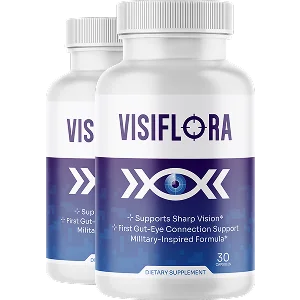
VisiFlora
Its listed ingredients do not include lutein or zeaxanthin, so it does not match the macular carotenoids tested in AREDS2. Vitamin C, vitamin E and copper overlap with the AREDS-type formula, but zinc is not listed, and astaxanthin, ginkgo, eyebright, taurine and the other extras have no good evidence from the sources reviewed here for macular health.
Listed ingredients: Astaxanthin, Vitamin C, Vitamin E, Copper, Selenium, Chromium
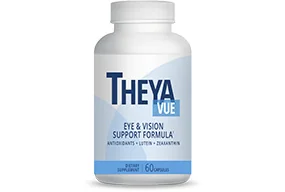
TheyaVue
It lists lutein and zeaxanthin along with vitamin C, vitamin E and zinc, which relate to the nutrients studied in AREDS and AREDS2. The amounts are not given here, so it cannot be compared with the 10 mg and 2 mg tested, and the evidence for bilberry and rutin in this context is limited.
Listed ingredients: Lutein, Zeaxanthin, Vitamin C, Calcium, Vitamin E, Bilberry Extract
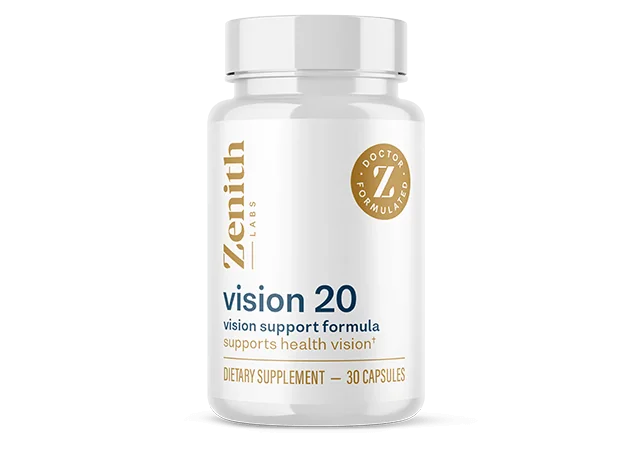
Vision 20
It lists lutein, zeaxanthin and zinc, which relate to the AREDS2 research, but it also lists beta-carotene, which AREDS2 allowed to be replaced because of lung cancer risk in current and former smokers. Amounts are not given here, and the sources reviewed do not support benefits from lycopene, taurine, rose hips, grape seed or bilberry for this topic.
Listed ingredients: Lutein, Zeaxanthin, Zinc, Beta-carotene, Lycopene, Rose Hips
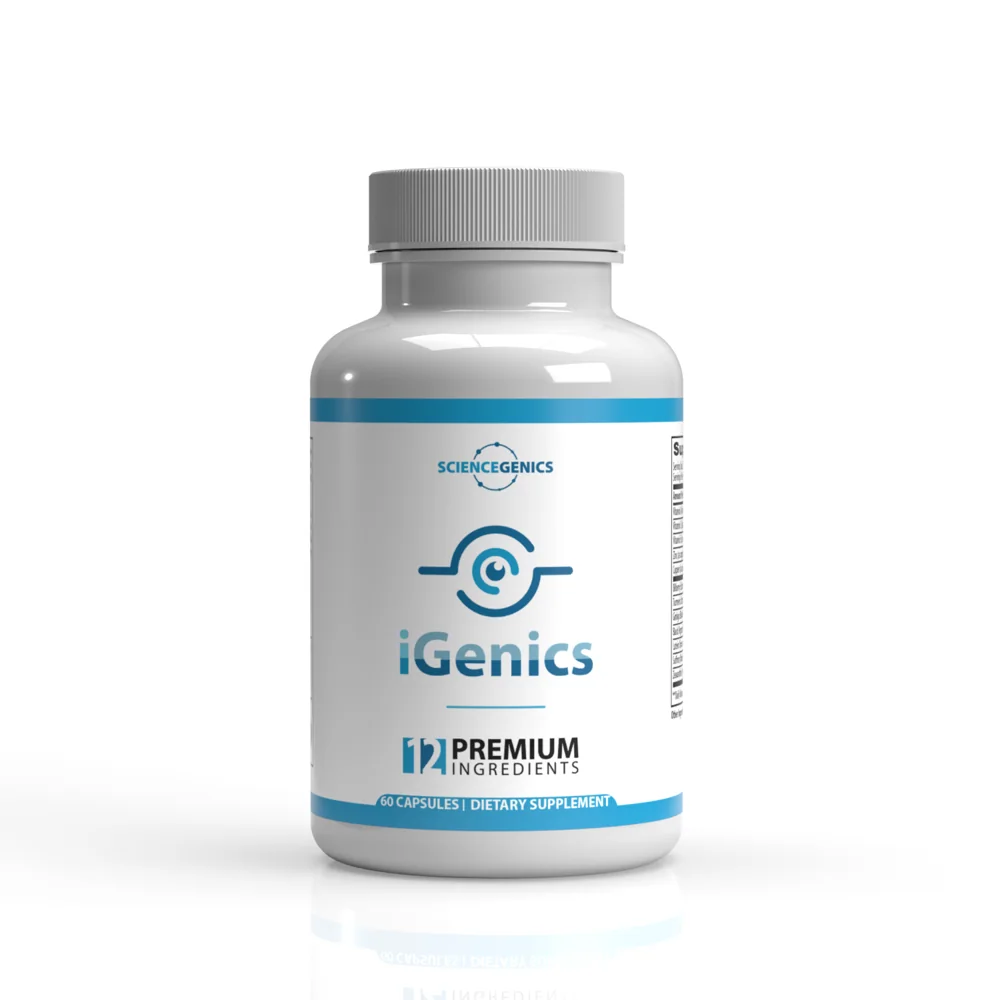
iGenics
It lists AREDS-2 formula ingredients without itemizing them, so the lutein and zeaxanthin amounts cannot be checked against the 10 mg and 2 mg studied. Ginkgo, bilberry, saffron and turmeric have no good evidence from the sources reviewed here for this topic.
Listed ingredients: Ginkgo biloba, AREDS-2 formula ingredients (not itemized), Bilberry, Saffron, Turmeric + BioPerine
Frequently asked questions
Do lutein and zeaxanthin prevent macular degeneration?
No supplement has been shown to prevent macular degeneration. AREDS2 studied people already at high risk of advanced AMD, and adding lutein and zeaxanthin did not further reduce progression overall[4]. An eye doctor can explain whether a supplement fits your situation.
What dose of lutein and zeaxanthin was used in AREDS2?
The study used 10 mg of lutein and 2 mg of zeaxanthin per day, added to the AREDS formula[5]. These amounts apply to the studied group of people at high risk of advanced AMD, not to everyone.
Can lutein and zeaxanthin help with cataracts?
The evidence is limited. In AREDS2, they did not significantly reduce progression to cataract surgery overall, though a possible benefit was noted in people with the lowest dietary intake[3].
Why did AREDS2 replace beta-carotene with lutein and zeaxanthin?
Beta-carotene had been linked to a higher lung cancer risk in current and former smokers. The NEI notes that lutein and zeaxanthin can take its place in the formula[5]. Anyone who smokes or used to smoke should discuss any eye supplement with a doctor.
Sources
- Stringham et al. Foods 2017: macular carotenoids and visual performance with high screen time
- American Academy of Ophthalmology: What is macular degeneration?
- AREDS2 Research Group. JAMA Ophthalmol 2013: lutein/zeaxanthin for age-related cataract
- AREDS2 Research Group. JAMA 2013: lutein + zeaxanthin and omega-3 fatty acids for AMD
- National Eye Institute: Age-Related Eye Disease Studies (AREDS/AREDS2)