Lutein and Zeaxanthin: Treatment, Home Care and What Not to Rely On
Lutein and zeaxanthin are carotenoids found in the macula, the central part of the retina. They may support eye health as part of a broader plan, but they are not a treatment for any eye disease. This page explains what eye doctors may do, which daily habits matter, and which claims to treat with caution.
- Lutein and zeaxanthin may support eye health, but they are not a treatment or cure for any eye disease.
- The AREDS2 formula used 10 mg of lutein and 2 mg of zeaxanthin, and it was studied in people with intermediate or advanced AMD.
- Diagnosis and treatment of AMD belong with an eye doctor, not with supplements.
- Regular eye exams, not smoking and a varied diet are practical daily steps.
- Be skeptical of claims about restoring vision or higher doses working better.
What an eye doctor may use for macular problems
Only an eye doctor can diagnose a vision problem and decide on treatment. A dilated eye exam and retinal imaging are how age-related macular degeneration (AMD) is usually found and staged[1].
Treatment depends on the type and stage. The American Academy of Ophthalmology describes dry AMD and wet AMD as different conditions with different options[1]. Wet AMD is generally managed by an eye doctor with medical procedures, which may include injections into the eye. Early and intermediate dry AMD is mostly monitored over time.
For readers who want background, the macular degeneration topic page covers the condition in more detail. Questions about which treatment fits a specific case belong with a retina specialist.
Where lutein and zeaxanthin fit in
The best-known research on these carotenoids is the Age-Related Eye Disease Study 2 (AREDS2). It tested a supplement formula in people who already had intermediate AMD or advanced AMD in one eye[2]. The National Eye Institute describes the AREDS2 formula as including 10 mg of lutein and 2 mg of zeaxanthin[2].
In AREDS2, adding lutein and zeaxanthin to the original formula did not produce a clear overall change in progression to advanced AMD compared with the original formula alone[3]. Researchers did note that the original formula, with beta-carotene replaced, was a reasonable option because beta-carotene has been linked to lung cancer risk in current and former smokers[2].
Two points follow from this:
- The studied doses apply to people with specific stages of AMD, not to everyone.
- A supplement is an add-on to medical care. It does not replace it.
An eye doctor can say whether an AREDS2-type formula is appropriate for a given person.
Daily habits and home care
Home care is about protecting the eyes you have and catching changes early.
Check your vision regularly
The American Academy of Ophthalmology advises people with AMD to watch for changes such as distorted or blurry central vision, and to report them promptly[1]. Many eye doctors suggest a simple grid test at home. Ask whether this applies to you and how often to do it.
Eat a varied diet
Lutein and zeaxanthin occur naturally in foods, including leafy greens and some colorful vegetables. A food-first approach fits well with general eye health habits. Eating more of these foods is not proven to prevent eye disease, so treat it as one supportive habit.
Manage screen time comfortably
Long hours at screens often cause tired, dry or strained eyes. One study looked at macular carotenoids and visual performance in people with high screen time[4]. This research is early, and it does not show that a supplement fixes screen discomfort. Practical steps such as regular breaks, good lighting and a proper glasses prescription come first. The eye strain page covers these steps in more detail.
Avoid smoking
Smoking is a recognized risk factor for AMD, according to the American Academy of Ophthalmology[1]. Quitting is one of the most useful steps a person can take for their eyes.
Prevention and monitoring
No supplement is proven to prevent AMD or any other eye disease. The AREDS and AREDS2 studies focused on people who already had signs of AMD, so the results do not show a preventive effect in healthy eyes[2].
Sensible prevention focuses on:
- Regular comprehensive eye exams, especially with older age or a family history of AMD[1]
- Not smoking[1]
- A balanced diet with plenty of vegetables
- Telling the eye doctor about every supplement being taken
Cataracts are a separate issue. AREDS2 looked at lutein and zeaxanthin for age-related cataract and did not find an overall effect on the need for cataract surgery[5]. For more on that condition, see cataracts.
What not to rely on
Be cautious with any product or claim that promises more than the research shows.
- Cure or reversal claims. No supplement has been shown to cure an eye disease or restore lost vision. Evidence for lutein and zeaxanthin is limited and applies to specific groups[3].
- Replacing treatment. Taking a supplement instead of seeing an eye doctor can delay care when timing matters, especially with sudden changes in vision[1].
- Higher doses as better. The studied amounts were 10 mg of lutein and 2 mg of zeaxanthin, within a full formula[2]. More is not shown to work better.
- Night vision claims. Marketing often links these nutrients to seeing in the dark. Trouble with night vision has many possible causes, and it needs an exam rather than a supplement guess.
- Unclear labels. Some labels list a blend without amounts. Check that the label shows the amounts of each ingredient, and compare them with the studied formula.
Beta-carotene deserves special attention. It was removed from the AREDS2 formula as an option because of lung cancer concerns in people who smoke or used to smoke[2].
When to see an eye doctor
Book an exam promptly if central vision becomes blurry or wavy, if straight lines look bent, or if a dark or empty spot appears in the center of vision[1]. Sudden changes should be treated as urgent.
Bring a list of all supplements and medicines to the visit. An eye doctor can explain what the tests show, whether any supplement makes sense, and what monitoring or treatment is needed.
Eye supplements we have reviewed
Want to compare products? Read what the research says about nutrients for lutein and zeaxanthin first, then compare the products below.
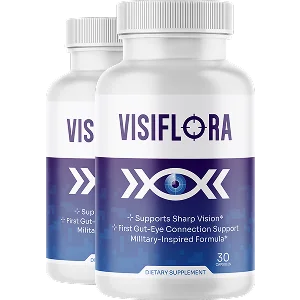
VisiFlora
Listed ingredients: Astaxanthin, Vitamin C, Vitamin E, Copper, Selenium, Chromium
TheyaVue
Listed ingredients: Lutein, Zeaxanthin, Vitamin C, Calcium, Vitamin E, Bilberry Extract
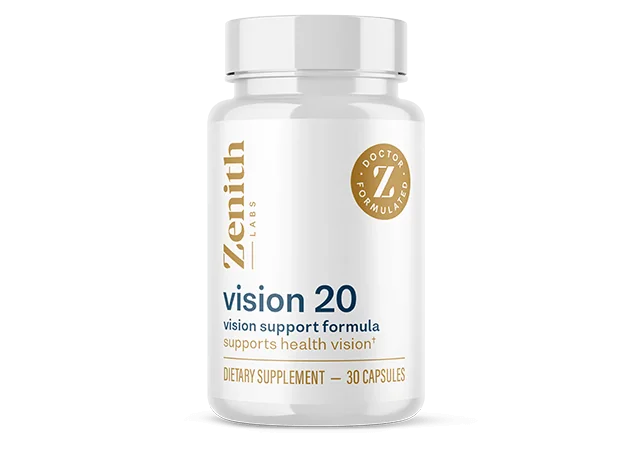
Vision 20
Listed ingredients: Lutein, Zeaxanthin, Zinc, Beta-carotene, Lycopene, Rose Hips
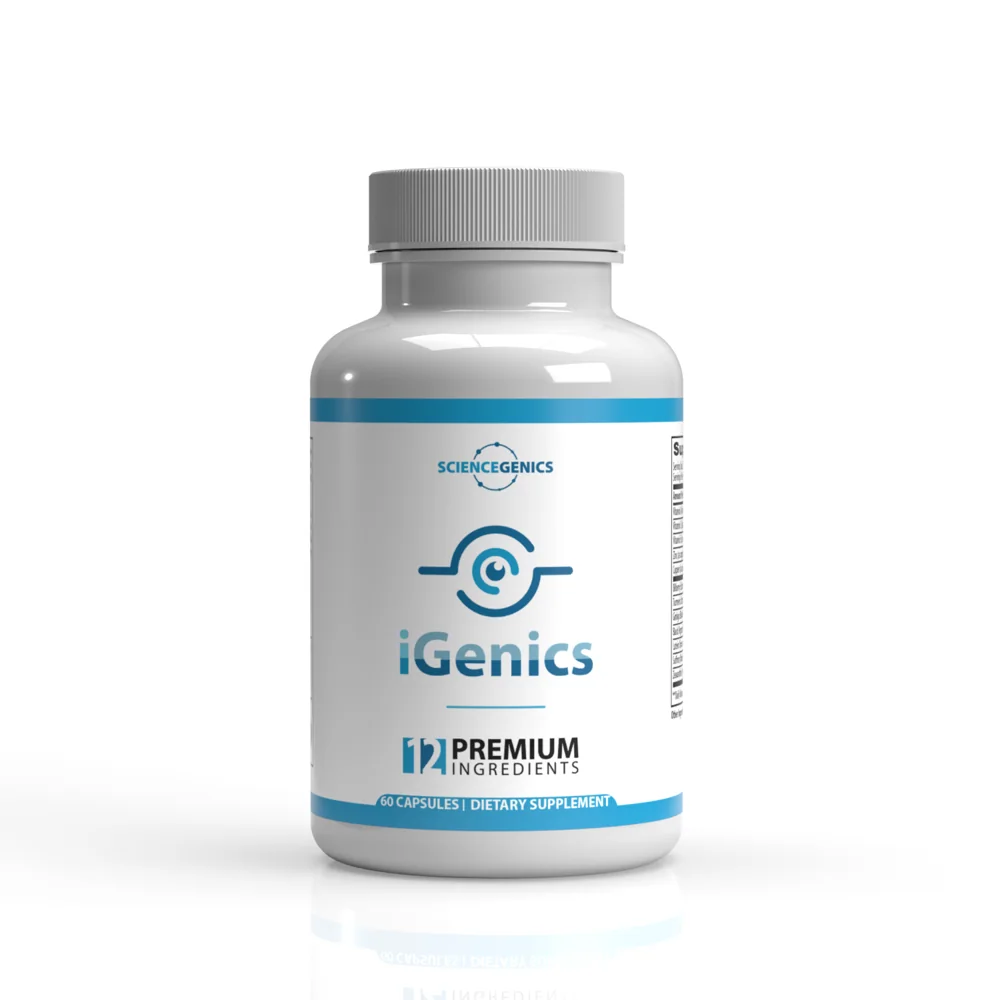
iGenics
Listed ingredients: Ginkgo biloba, AREDS-2 formula ingredients (not itemized), Bilberry, Saffron, Turmeric + BioPerine
Frequently asked questions
Can lutein and zeaxanthin treat macular degeneration?
No. They have not been shown to cure or reverse AMD. AREDS2 tested them as part of a supplement formula in people with specific stages of AMD, and the results were mixed[3]. An eye doctor decides on treatment[1].
What dose was used in AREDS2?
The AREDS2 formula included 10 mg of lutein and 2 mg of zeaxanthin[2]. That dose was studied in people with intermediate AMD or advanced AMD in one eye. Ask an eye doctor whether it applies to you.
Do lutein and zeaxanthin help with cataracts?
AREDS2 looked at this question and did not find an overall effect on the need for cataract surgery[5]. Evidence is limited, and cataract care should be guided by an eye doctor.
Can these nutrients help with screen-related eye discomfort?
One study looked at macular carotenoids and visual performance with high screen time[4]. The evidence is early, so breaks, lighting and an up-to-date prescription remain the first steps.
Sources
- American Academy of Ophthalmology: What is macular degeneration?
- National Eye Institute: Age-Related Eye Disease Studies (AREDS/AREDS2)
- AREDS2 Research Group. JAMA 2013: lutein + zeaxanthin and omega-3 fatty acids for AMD
- Stringham et al. Foods 2017: macular carotenoids and visual performance with high screen time
- AREDS2 Research Group. JAMA Ophthalmol 2013: lutein/zeaxanthin for age-related cataract