Lutein and Zeaxanthin: What the Research Shows, Doses, Foods and Label Tips
Lutein and zeaxanthin are the two carotenoids that concentrate in the macula, the part of the retina used for sharp central vision[1]. They are among the most studied nutrients in eye health, but the research is narrower than many labels suggest. This page covers what the major studies did and did not show, where these nutrients come from in food, what doses were tested, and how to judge an eye supplement label.
- Lutein and zeaxanthin are carotenoids that concentrate in the macula, the area for sharp central vision.
- AREDS2 tested 10 mg lutein and 2 mg zeaxanthin added to a vitamin and mineral formula; adding them did not further reduce progression to advanced AMD overall.
- Lutein and zeaxanthin appeared to be a reasonable replacement for beta-carotene, which was linked to lung cancer concerns in former smokers.
- Evidence for cataracts and screen-related visual performance is limited and does not show prevention or treatment.
- Choose a label with clear amounts, check the whole formula, and see an eye doctor for diagnosis and advice.
What lutein and zeaxanthin are and what they do
Lutein and zeaxanthin are yellow plant pigments called carotenoids. The body cannot make them, so they come from food or supplements. In the eye they build up in the macula and are often called the macular carotenoids[2].
The macula handles reading, recognizing faces and other detailed central vision[1]. Researchers study the macular carotenoids because they are concentrated there, and because the amount of this pigment can be measured and, in some studies, changed by diet or supplements[2].
A higher pigment level is not the same as a proven medical benefit. Much of the supportive work measures pigment density or visual performance, not whether disease develops or progresses. That difference matters when reading product claims.
For broader background on protecting vision over time, see eye health.
The AREDS2 trial: what it did and did not show
The most important evidence comes from the Age-Related Eye Disease Study 2 (AREDS2), run by the National Eye Institute[3]. It followed older adults at higher risk of advanced age-related macular degeneration (AMD). Participants took the original AREDS vitamin and mineral formula with added lutein (10 mg) and zeaxanthin (2 mg), omega-3 fatty acids, or both[4].
What it did not show. Adding lutein and zeaxanthin, omega-3s, or both did not further reduce the risk of progression to advanced AMD overall, compared with the AREDS formula alone[4].
What it suggested. Secondary analyses compared versions of the formula with and without beta-carotene. Lutein and zeaxanthin appeared to be a reasonable substitute for beta-carotene, and the combination looked appropriate as a replacement[4]. These were secondary comparisons, so they are less conclusive than the main result.
Who the formula was studied in. The AREDS-type formulas were tested in people already at higher risk of advanced AMD. The National Eye Institute does not present them as something for people with no AMD or only early signs[3].
No supplement has been shown to cure or reverse macular degeneration. An eye doctor can say whether you have AMD, how advanced it is, and whether an AREDS-type formula fits your situation. For more on the condition itself, see macular degeneration.
Cataracts and screen time: weaker or narrower evidence
AREDS2 also looked at cataracts. Lutein and zeaxanthin did not significantly reduce the need for cataract surgery overall[5]. Some signals appeared in people with the lowest dietary intake of these carotenoids, but that was a subgroup finding and not a firm conclusion[5]. For background on the condition, see cataracts.
A smaller line of research asks whether macular carotenoids affect visual performance in people with heavy screen use. One paper in this area reviewed work on macular pigment and visual performance with high screen time[2]. This research is early and its measures are different from medical outcomes. It does not show that supplements prevent eye disease or replace breaks, good lighting and an eye exam. If your main concern is tired eyes at the computer, see eye strain for practical steps.
Food sources
Lutein and zeaxanthin occur naturally in food, especially dark leafy green vegetables. The American Academy of Ophthalmology includes leafy greens and fish as part of a healthy eating pattern for people concerned about macular degeneration[1].
Food is a sensible starting point for a few reasons:
- Foods supply many nutrients at once, not a single isolated compound.
- Dietary intake was relevant in the AREDS2 analyses, where people with lower intake were the group of interest in secondary findings[5].
- Food carries no label-reading problem and no risk of the high-dose mineral content found in some formulas.
A practical approach is to include a serving of dark leafy greens most days and fish regularly, then talk with an eye doctor about whether a supplement adds anything for you. The sources used here do not give exact milligram amounts per serving, so treat any specific food-content figures you see elsewhere with caution unless they come from a food composition database.
Doses and safety
The dose with the most research behind it is the one tested in AREDS2: 10 mg of lutein and 2 mg of zeaxanthin per day, taken as part of a formula that also contained vitamin C, vitamin E, zinc and copper[4][3].
The full AREDS2-style formula, as described by the National Eye Institute, contains 500 mg vitamin C, 400 IU vitamin E, 80 mg zinc (as zinc oxide) and 2 mg copper, along with the lutein and zeaxanthin[3]. Those amounts are much higher than a typical multivitamin, which is one reason to discuss them with a doctor first.
Beta-carotene. The original AREDS formula contained beta-carotene. In AREDS2, higher lung cancer rates were seen among former smokers who took beta-carotene, and the lutein and zeaxanthin versions avoided this concern[4]. The National Eye Institute notes this reason for the change in the formula[3]. Current and former smokers should be especially careful with any product listing beta-carotene.
Other safety points.
- High-dose zinc can interact with other nutrients and medicines, which is why copper is included in AREDS-type formulas[3].
- Anyone taking blood thinners, other prescription medicines, or who is pregnant or nursing should check with a doctor or pharmacist before starting a new supplement.
- A supplement does not replace regular dilated eye exams, which are how AMD and other conditions are found and monitored.
How to judge an eye supplement label
Many eye supplements borrow the look of the AREDS2 research without matching it. A few checks help.
1. Look for the tested amounts
Compare the label with the AREDS2 amounts: 10 mg lutein and 2 mg zeaxanthin per daily serving[4]. A label that lists the ingredients but no amounts, or buries them in a proprietary blend, makes comparison impossible.
2. Check the rest of the formula
AREDS-type formulas pair the carotenoids with vitamin C, vitamin E, zinc and copper[3]. Note whether a product leaves out copper while including zinc, or contains beta-carotene or high-dose vitamin A, which are not part of the AREDS2 formula[3].
3. Read the daily serving carefully
Some products require several capsules a day to reach the listed amounts. Check whether the numbers are per capsule or per serving.
4. Be skeptical of extra botanicals
Ingredients such as bilberry, ginkgo, saffron, turmeric, taurine or grape seed extract were not part of AREDS2. The sources used here do not show that they protect vision or slow AMD, so their presence should not be treated as extra proof.
5. Watch the claims
A trustworthy label does not say a product cures, reverses or prevents an eye disease, or restores vision. Phrases like that signal marketing, not evidence.
6. Ask who the product is for
The research population was people at higher risk of advanced AMD[3]. If you have no diagnosis, a diet rich in leafy greens may be a more reasonable first step, and an eye exam is the best way to find out where you stand.
Eye supplements we have reviewed
These are the 4 eye-health supplements we have reviewed on HealthSupplements.best. None of them is proven to treat or prevent lutein and zeaxanthin; talk to your eye doctor before starting any supplement, especially if you take other medicines.
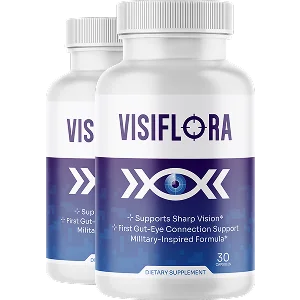
VisiFlora
The listed ingredients include vitamin C, vitamin E and copper, which are components of the AREDS-type formulas, but lutein and zeaxanthin are not listed and zinc is absent. Astaxanthin, ginkgo, taurine, quercetin, eyebright and the other botanicals were not part of AREDS2, and the sources used here do not show that they support vision.
Listed ingredients: Astaxanthin, Vitamin C, Vitamin E, Copper, Selenium, Chromium
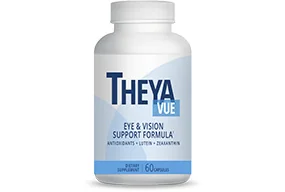
TheyaVue
Lutein, zeaxanthin, vitamin C, vitamin E and zinc overlap with the nutrients in the AREDS2 formula, though the amounts need to be checked against 10 mg lutein and 2 mg zeaxanthin. Copper is not listed, and bilberry, rutin and calcium have no good evidence in these sources for supporting eye health.
Listed ingredients: Lutein, Zeaxanthin, Vitamin C, Calcium, Vitamin E, Bilberry Extract
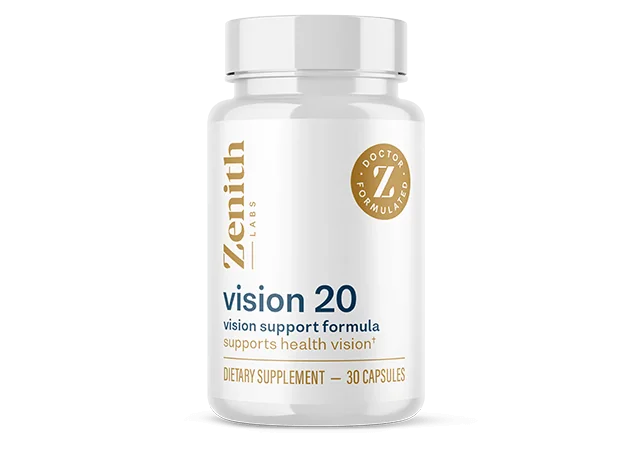
Vision 20
Lutein, zeaxanthin and zinc relate to the AREDS2 research, but the listing also includes beta-carotene and retinyl palmitate (vitamin A), which AREDS2 moved away from because of lung cancer concerns in former smokers. Lycopene, taurine, rose hips, grape seed and bilberry have no good evidence in these sources for this topic.
Listed ingredients: Lutein, Zeaxanthin, Zinc, Beta-carotene, Lycopene, Rose Hips
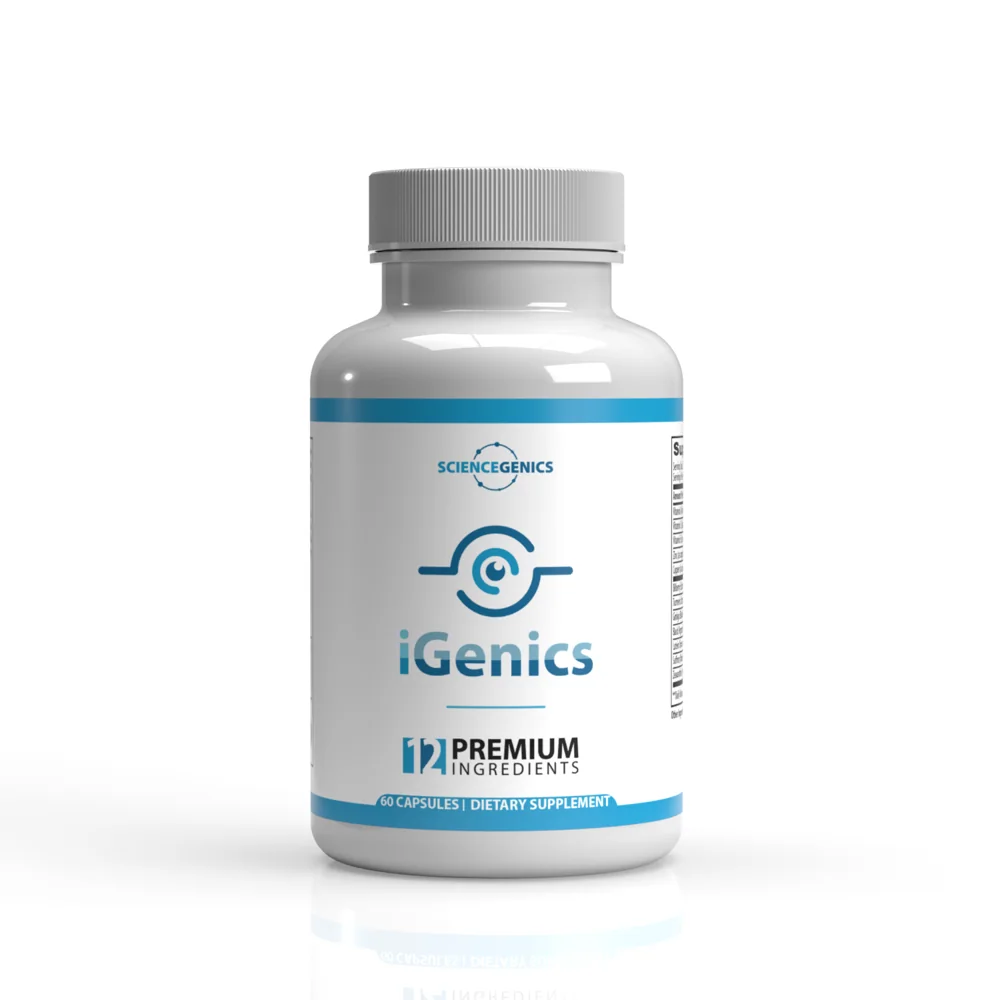
iGenics
The listing refers to AREDS-2 formula ingredients without itemizing them, so the amounts cannot be compared with 10 mg lutein and 2 mg zeaxanthin. Ginkgo biloba, bilberry, saffron and turmeric with BioPerine were not tested in AREDS2, and the sources used here do not show that they support vision.
Listed ingredients: Ginkgo biloba, AREDS-2 formula ingredients (not itemized), Bilberry, Saffron, Turmeric + BioPerine
Frequently asked questions
What dose of lutein and zeaxanthin was used in AREDS2?
AREDS2 used 10 mg of lutein and 2 mg of zeaxanthin daily, added to a formula with vitamins C and E, zinc and copper[4][3]. The trial did not find that these additions further reduced progression to advanced AMD overall[4].
Can lutein and zeaxanthin supplements prevent or treat macular degeneration?
No supplement has been shown to cure, reverse or reliably prevent macular degeneration. AREDS-type formulas were studied in people already at higher risk of advanced AMD[3]. An eye doctor can diagnose AMD and advise whether a formula suits you.
Do lutein and zeaxanthin help with cataracts or night vision?
In AREDS2, lutein and zeaxanthin did not significantly reduce cataract surgery overall[5]. The sources reviewed here do not establish an effect on night vision. Anyone with changes in vision should see an eye doctor.
Is it better to get lutein and zeaxanthin from food or supplements?
Food is a sensible first step, since dark leafy greens and fish are part of the healthy eating pattern described by the American Academy of Ophthalmology[1]. Supplements may be worth discussing with an eye doctor if you have intermediate AMD or another higher-risk situation.
Sources
- American Academy of Ophthalmology: What is macular degeneration?
- Stringham et al. Foods 2017: macular carotenoids and visual performance with high screen time
- National Eye Institute: Age-Related Eye Disease Studies (AREDS/AREDS2)
- AREDS2 Research Group. JAMA 2013: lutein + zeaxanthin and omega-3 fatty acids for AMD
- AREDS2 Research Group. JAMA Ophthalmol 2013: lutein/zeaxanthin for age-related cataract