Lutein and Zeaxanthin with Astaxanthin: What to Look for in an Eye Supplement
The best-studied combination is lutein and zeaxanthin at the AREDS2 doses of 10 mg and 2 mg, and that research was done in people with existing macular degeneration[1]. Astaxanthin is a different carotenoid with much thinner eye research, mostly on eye fatigue. No supplement replaces an eye exam, so talk with an eye doctor before starting one.
- The AREDS2 doses are 10 mg lutein and 2 mg zeaxanthin, studied in people with macular degeneration, not in healthy eyes.
- Astaxanthin has limited evidence, mainly from a combination trial on eye function, so its individual effect is unclear.
- Check labels for printed lutein and zeaxanthin amounts, and total vitamin A and zinc intake.
- Smokers should avoid beta-carotene supplements.
- None of the reviewed products discloses enough dose detail to match AREDS2, so ask an eye doctor first.
What lutein, zeaxanthin and astaxanthin each do
The macula is the small central part of the retina that handles sharp, detailed vision[2]. Lutein and zeaxanthin are the carotenoids tied to this area, often called the macular carotenoids. Research has looked at whether higher levels may support macular pigment and visual performance, including for people who spend long hours on screens[3]. The evidence for everyday visual comfort is still limited.
Astaxanthin is a separate carotenoid. In the sources used for this guide, it appears in a randomized trial that tested it alongside anthocyanin and lutein for eye functions[4]. It was not part of the AREDS2 formula[5]. For that reason, it should be treated as an add-on with early, limited evidence, not as a replacement for lutein and zeaxanthin.
AREDS2 doses: 10 mg lutein and 2 mg zeaxanthin
AREDS2 is the large National Eye Institute trial behind the 10 mg lutein and 2 mg zeaxanthin figures[5]. It enrolled people at high risk of progressing to advanced age-related macular degeneration, and it tested lutein and zeaxanthin added to the original AREDS formula[1].
Two points matter for shoppers:
- The results apply to people already diagnosed with intermediate or advanced disease in one eye. They do not show that the doses help people with healthy eyes.
- Omega-3 fatty acids did not add a measurable benefit in the main AREDS2 analysis[1].
A separate AREDS2 analysis looked at cataracts. It did not find that lutein and zeaxanthin significantly reduced the need for cataract surgery overall[6]. For more on the formula, see the AREDS2 formula guide and the overview of macular degeneration. For general background on cataracts, see cataracts.
Astaxanthin eye-fatigue trials: what the evidence shows
The astaxanthin evidence for eye fatigue is small. The trial in our source set was randomized and tested a combination of anthocyanin, astaxanthin and lutein on eye functions[4]. Because the ingredients were given together, the result cannot show what astaxanthin did by itself.
The trial was also not a test of macular degeneration outcomes. Astaxanthin was studied for occasional eye tiredness, not for protecting the retina. Anyone with persistent eye strain, blurred vision or discomfort should see an eye doctor, since these can have causes that no supplement addresses. Practical habits are covered in eye strain and this guide to computer eye strain.
Combining lutein, zeaxanthin and astaxanthin
Taking them together is common, and the 2021 trial above used a multi-ingredient approach[4]. The sources we reviewed do not show that the combination works better than lutein and zeaxanthin alone. They also do not give a proven dose for astaxanthin.
A sensible approach is to:
- Start with whether you have a diagnosed eye condition. If you do, ask your eye doctor whether an AREDS2-style formula fits you[5].
- Check that lutein and zeaxanthin amounts are printed on the label.
- Treat astaxanthin as optional, mainly for screen-related eye tiredness, and watch for any change in how you feel.
For more on screen use, see eye vitamins for computer strain. Broader nutrient context is on the nutrients and supplements page.
Safety and how to read eye-supplement labels
Original AREDS used beta-carotene, which was linked to higher lung cancer risk in smokers. That is why AREDS2 tested lutein and zeaxanthin in its place[5]. Smokers and former smokers should avoid beta-carotene products.
When reading a label, look for:
- Separate amounts for lutein and zeaxanthin. A "proprietary blend" with no amounts makes it impossible to compare against 10 mg and 2 mg.
- Total vitamin A and zinc. Both can cause problems at high intake, so add up everything you take, including multivitamins.
- Extra herbs. Ginkgo, for example, may interact with blood thinners. Read about it in this ginkgo guide.
- Disease claims. Words like "restores" or "reverses" vision are not supported by the research above.
People who are pregnant, nursing or taking medication should check with a doctor first. More answers are on the FAQ page. Also see eye health and eye vitamins over 50.
How the eye supplements we reviewed compare
None of these four products has published clinical trial results for the finished formula, and most do not disclose ingredient amounts. That means none can be matched against the AREDS2 doses.
VisiFlora is the closest match to this guide's subject. Its listed ingredients include astaxanthin and lutein and zeaxanthin from marigold, alongside zinc, vitamin C, vitamin E, beta carotene, bilberry, lycopene and saffron. Lutein and zeaxanthin may support macular pigment, and astaxanthin was studied in a combination for eye function[4]. Amounts are not disclosed, so the dose cannot be compared with AREDS2. See the ingredient breakdown.
TheyaVue names lutein, zeaxanthin, zinc, vitamin C and vitamin E among eight listed ingredients, but no amounts. It has no astaxanthin.
Vision 20 lists lutein, zeaxanthin, zinc, beta-carotene and lycopene. The beta-carotene is the smoker caution noted above[5]. Amounts are not disclosed.
iGenics says it is based on AREDS-2 ingredients, but the page does not itemize them, so doses cannot be checked[5]. It also lists ginkgo, saffron and turmeric.
Eye supplements we have reviewed
Want to compare products? Read what the research says about nutrients for lutein and zeaxanthin first, then compare the products below.
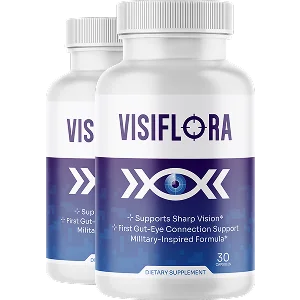
VisiFlora
Lists astaxanthin, plus lutein and zeaxanthin from marigold, which relate directly to this topic; the astaxanthin evidence is limited and comes from a combination trial. Amounts are not disclosed, and no clinical data on the finished product is cited. Many other listed ingredients, such as eyebright and coleus forskohlii, have no good evidence for this topic.
Listed ingredients: Astaxanthin, Vitamin C, Vitamin E, Copper, Selenium, Chromium
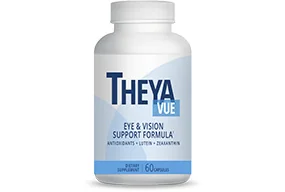
TheyaVue
Names lutein and zeaxanthin, which relate to the AREDS2 research, but gives no amounts, so the dose cannot be compared with 10 mg and 2 mg. Only eight of 24 claimed ingredients are named, and it has no astaxanthin.
Listed ingredients: Lutein, Zeaxanthin, Vitamin C, Calcium, Vitamin E, Bilberry Extract
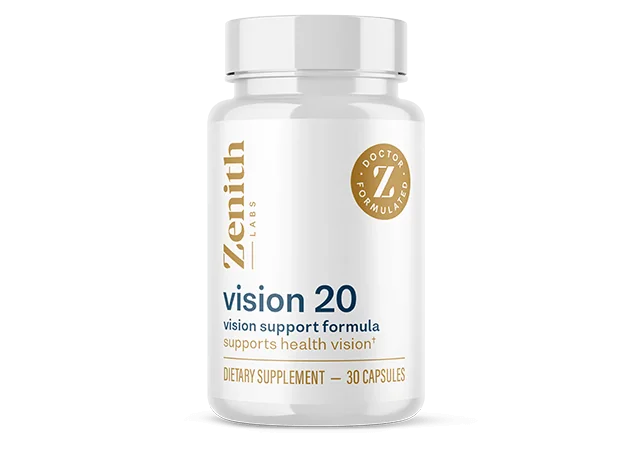
Vision 20
Lists lutein and zeaxanthin, but amounts are not disclosed. It also includes beta-carotene, which is a caution for smokers, and vitamin A and zinc, which need attention to total intake. It has no astaxanthin.
Listed ingredients: Lutein, Zeaxanthin, Zinc, Beta-carotene, Lycopene, Rose Hips
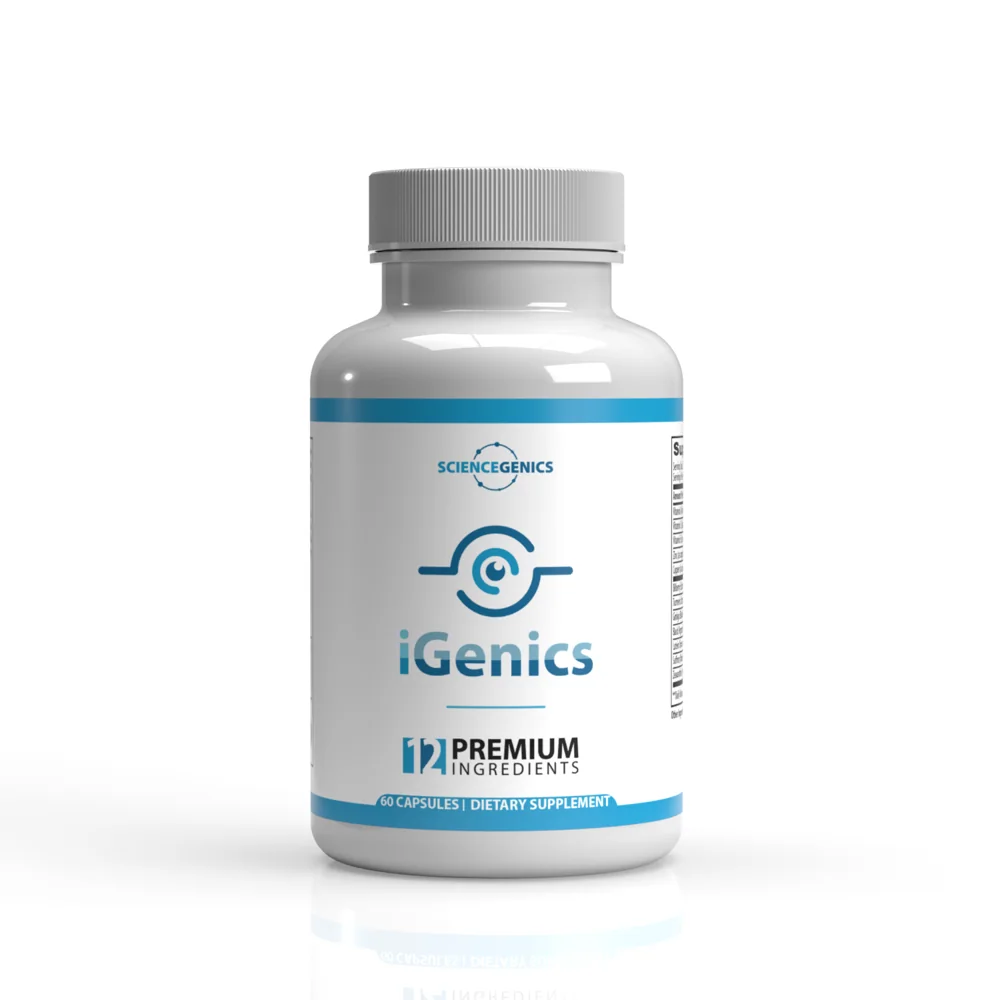
iGenics
Says it is based on AREDS-2 ingredients, but does not itemize them or give amounts, so a match to the studied doses cannot be confirmed. Ginkgo, saffron and turmeric have no strong evidence for this topic in the sources reviewed, and ginkgo may interact with blood thinners.
Listed ingredients: Ginkgo biloba, AREDS-2 formula ingredients (not itemized), Bilberry, Saffron, Turmeric + BioPerine
Frequently asked questions
What is the best lutein zeaxanthin astaxanthin supplement?
No single product is proven best. Look for clearly printed amounts of lutein (10 mg) and zeaxanthin (2 mg), which match the AREDS2 research[1]. Astaxanthin is optional and has limited evidence[4].
Does astaxanthin help eye fatigue?
It was studied for eye function in a randomized trial, but together with anthocyanin and lutein, so its own effect is unclear[4]. Evidence is limited. Persistent eye discomfort deserves an eye exam.
Do lutein and zeaxanthin prevent cataracts?
AREDS2 did not find that they significantly reduced the need for cataract surgery overall[6]. Do not rely on them for that purpose, and see an eye doctor for regular checks.
Is it safe to take all three together?
The sources reviewed do not report a safety problem with combining them, but they also do not establish an ideal combination. Check total vitamin A and zinc from all products, and ask a doctor if you take medication or have an eye condition.
Sources
- AREDS2 Research Group. JAMA 2013: lutein + zeaxanthin and omega-3 fatty acids for AMD
- American Academy of Ophthalmology: What is macular degeneration?
- Stringham et al. Foods 2017: macular carotenoids and visual performance with high screen time
- J Clin Biochem Nutr 2021: anthocyanin, astaxanthin and lutein on eye functions, randomized trial
- National Eye Institute: Age-Related Eye Disease Studies (AREDS/AREDS2)
- AREDS2 Research Group. JAMA Ophthalmol 2013: lutein/zeaxanthin for age-related cataract