Lutein and Zeaxanthin: Signs, Symptoms, Diagnosis and When to Seek Eye Care
Lutein and zeaxanthin are pigments found in the macula, the central part of the retina. People often start reading about them after noticing a change in vision, or after hearing that an eye exam found early changes. This page covers the signs worth noticing, how eye doctors diagnose problems, which symptoms need urgent care, and what an exam involves. A supplement cannot diagnose or replace an exam.
- Early macular problems can cause no symptoms, so routine dilated eye exams matter.
- Blurred or wavy central vision, dark spots, and trouble reading are reasons to book an exam.
- Sudden vision loss, a curtain or shadow, new flashes or floaters, or sudden new distortion need same-day care.
- Diagnosis comes from an eye doctor's exam, not from symptoms or supplements.
- Lutein and zeaxanthin were studied in people at risk of advanced AMD, so ask your eye doctor whether they apply to you.
Why symptoms matter when reading about lutein and zeaxanthin
Most research on lutein and zeaxanthin supplements involves the macula and age-related eye conditions. The largest trial, AREDS2, tested lutein and zeaxanthin in people who already had an elevated risk of advanced age-related macular degeneration (AMD)[1]. The National Eye Institute describes the AREDS studies as research in people with, or at risk for, AMD and cataract[2].
That context matters. Supplements were studied in people whose eyes had already been examined and staged by an eye doctor. Taking them is not a substitute for finding out what is happening in your eyes.
Symptoms can also come from other causes, such as dry eyes, a change in glasses prescription, or conditions that need prompt treatment. Only an exam can tell them apart.
Common signs and symptoms to notice
Early macular degeneration can cause no symptoms at all, which is one reason routine exams matter. When symptoms do appear, the American Academy of Ophthalmology lists changes in central vision, such as blurred or distorted sight, straight lines that look wavy, and dark or empty areas near the center of vision[3].
Other changes that deserve an exam include:
- Needing much brighter light to read
- Colors that look less vivid
- Trouble recognizing faces
- Words that seem to fade or blur while reading
- Difficulty seeing in dim light, sometimes discussed under night vision
These signs are not specific to one condition. Cloudy or dim vision can point toward cataracts, which affect the lens rather than the retina. The AREDS2 cataract analysis studied lutein and zeaxanthin in this setting, but the evidence is separate from the AMD findings[4].
Check each eye separately. Cover one eye and look at a door frame or a tiled line. The brain often hides a problem in one eye when both are open.
Everyday eye discomfort is a different problem
Tired, dry, or aching eyes after long hours on screens are usually discussed as eye strain. This is not the same as the central vision loss seen in macular disease.
Research has looked at whether macular pigment relates to visual performance in people with high screen time[5]. This area is still developing, and it does not show that lutein and zeaxanthin treat or prevent eye strain. If discomfort is frequent, or comes with headaches or blurred vision that does not clear, an exam can check whether glasses or another cause is involved.
Red flags: when to get urgent or same-day eye care
Some changes should not wait for a routine appointment. Call an eye doctor the same day, or go to an emergency department if you cannot reach one, for:
- Sudden loss of vision in one or both eyes
- A sudden dark curtain or shadow across part of your vision
- A sudden burst of new floaters or flashes of light
- New distortion in central vision, such as lines that have suddenly turned wavy
- Eye pain with redness, nausea, or halos around lights
- Vision changes after an eye injury
- Sudden double vision, or vision loss with weakness, facial drooping, or trouble speaking (call emergency services)
New distortion deserves particular attention if you have been told you have AMD. The American Academy of Ophthalmology notes that sudden changes in vision can signal a more advanced form of the disease that needs prompt evaluation[3].
A supplement or a change in diet is not a response to any of these symptoms. Getting seen quickly is.
How eye problems are diagnosed
Diagnosis happens in an eye doctor's office, not from symptoms alone. For suspected macular problems, the American Academy of Ophthalmology describes tests that may include a visual acuity check, a dilated eye exam to view the retina, and an Amsler grid, a pattern of straight lines used to detect distortion in central vision[3]. Imaging of the retina may also be used to look at the macula in detail.
Staging matters. The AREDS findings applied to people with specific categories of AMD risk, so the exam result helps determine whether a formula tested in those trials is relevant to you[2]. Your eye doctor is the right person to make that call.
No routine test is needed to check your lutein or zeaxanthin levels at home or in a standard exam. The decision to use a supplement should come after an eye exam, not instead of one.
What to expect at an eye exam
A comprehensive exam usually takes under an hour, though dilation can add time. Typical steps are:
- History: Questions about symptoms, family history of eye disease, smoking, medical conditions, and medicines.
- Vision tests: Reading letters on a chart, one eye at a time.
- Pupil dilation: Drops widen the pupils so the doctor can see the retina and macula. Vision may be blurry and light-sensitive for several hours, so bring sunglasses and arrange a ride if needed.
- Retina check: The doctor looks for changes in the macula.[3]
- Amsler grid or imaging: Used if central vision problems are suspected.[3]
Bring a list of everything you take, including vitamins and supplements, with the doses shown on the label. This helps the doctor judge whether a product matches the formulas studied in AREDS2, which used 10 mg of lutein and 2 mg of zeaxanthin in the tested combination[1]. Ask directly whether a supplement makes sense for your stage of disease.
After the exam: using supplements sensibly
If your doctor says you have intermediate or advanced AMD in one eye, they may discuss a formula based on the AREDS studies. The National Eye Institute explains that these studies tested specific nutrient combinations in people with defined levels of risk[2]. Those results do not automatically apply to people with healthy eyes or other conditions.
For general eye health, regular exams, not smoking, and a varied diet remain the foundation. No supplement is proven to cure, reverse, or prevent eye disease or restore lost vision. Evidence for lutein and zeaxanthin is strongest in the specific AMD-risk group studied, and results in other groups are less certain[1].
Eye supplements we have reviewed
Want to compare products? Read what the research says about nutrients for lutein and zeaxanthin first, then compare the products below.
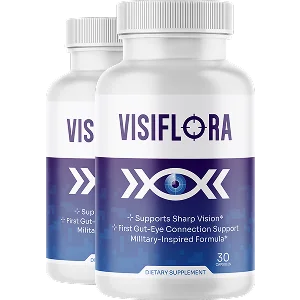
VisiFlora
Listed ingredients: Astaxanthin, Vitamin C, Vitamin E, Copper, Selenium, Chromium
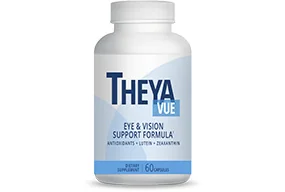
TheyaVue
Listed ingredients: Lutein, Zeaxanthin, Vitamin C, Calcium, Vitamin E, Bilberry Extract
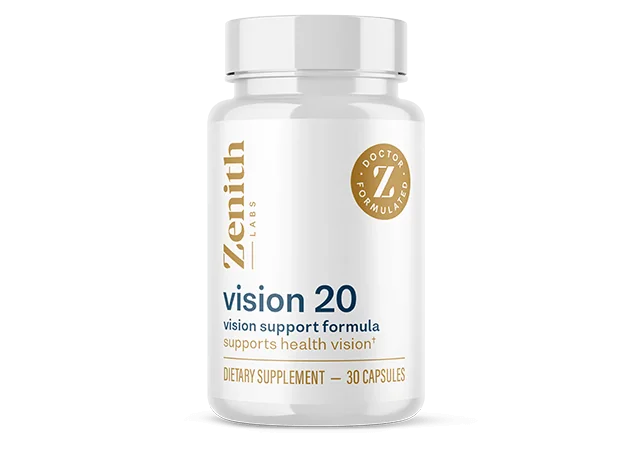
Vision 20
Listed ingredients: Lutein, Zeaxanthin, Zinc, Beta-carotene, Lycopene, Rose Hips
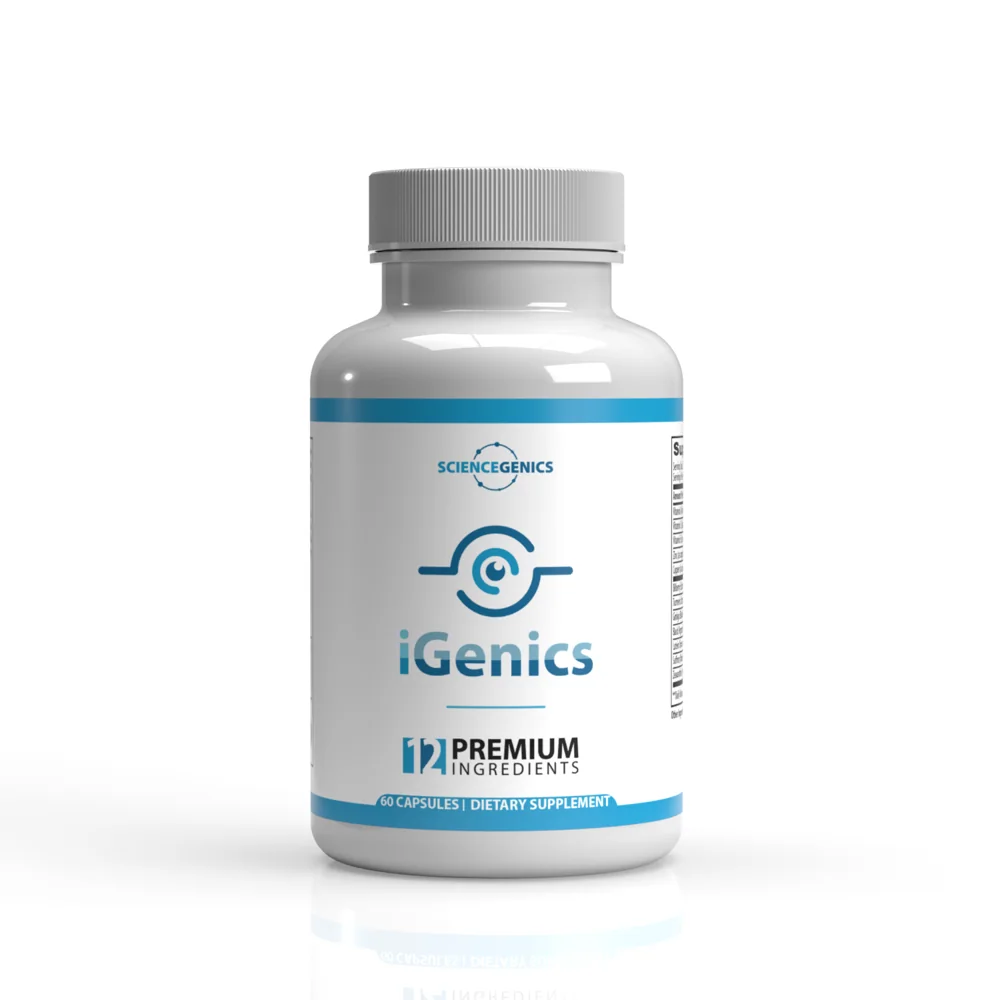
iGenics
Listed ingredients: Ginkgo biloba, AREDS-2 formula ingredients (not itemized), Bilberry, Saffron, Turmeric + BioPerine
Frequently asked questions
Can lutein and zeaxanthin supplements fix blurry vision?
No supplement is shown to cure blurry vision or restore lost sight. Blurry vision has many causes, from glasses prescriptions to retinal disease, so it needs an eye exam. AREDS2 tested lutein and zeaxanthin in people at risk of advanced AMD, not as a fix for blur in general[1].
What is the first sign of macular degeneration?
Early AMD may cause no symptoms. When changes appear, they often involve central vision, such as blur, wavy straight lines, or dark spots[3]. Only an eye exam can confirm the cause.
Is a sudden change in central vision an emergency?
Treat it as urgent. Sudden loss of vision or new distortion in central vision should be checked by an eye doctor the same day if possible, because some causes need prompt care[3].
Should I start lutein and zeaxanthin before my eye exam?
It is better to get the exam first. Your doctor can check your eyes and tell you whether a formula similar to those in the AREDS studies is relevant to your stage of disease[2].
Sources
- AREDS2 Research Group. JAMA 2013: lutein + zeaxanthin and omega-3 fatty acids for AMD
- National Eye Institute: Age-Related Eye Disease Studies (AREDS/AREDS2)
- American Academy of Ophthalmology: What is macular degeneration?
- AREDS2 Research Group. JAMA Ophthalmol 2013: lutein/zeaxanthin for age-related cataract
- Stringham et al. Foods 2017: macular carotenoids and visual performance with high screen time